
Introducing Anna Pollock on Reevolució Regenerativa
A territory can attract more visitors while becoming a harder place to live. A hotel can improve its environmental performance while its employees remain exhausted. A tourism strategy can deliver impressive figures while weakening the relationships that sustain the place itself.
These contradictions bring us to a question: what are we governing tourism for?
At the Institut Regeneratiu, we see regeneration as a responsibility to strengthen the conditions that allow people, communities and nature to flourish together. That responsibility reaches into how decisions are made, whose knowledge matters and how power is shared.
This is the context in which we welcome Anna Pollock to Reevolució Regenerativa.
A living territory deserves a living approach
Through her work with Conscious Travel, Anna Pollock has explored how tourism can serve the long-term prosperity of people and places. Her perspective centres on the interdependence of life and the need to reconnect tourism with the communities and ecological systems that sustain it. Conscious Travel
Taking that perspective seriously changes the starting point of governance.
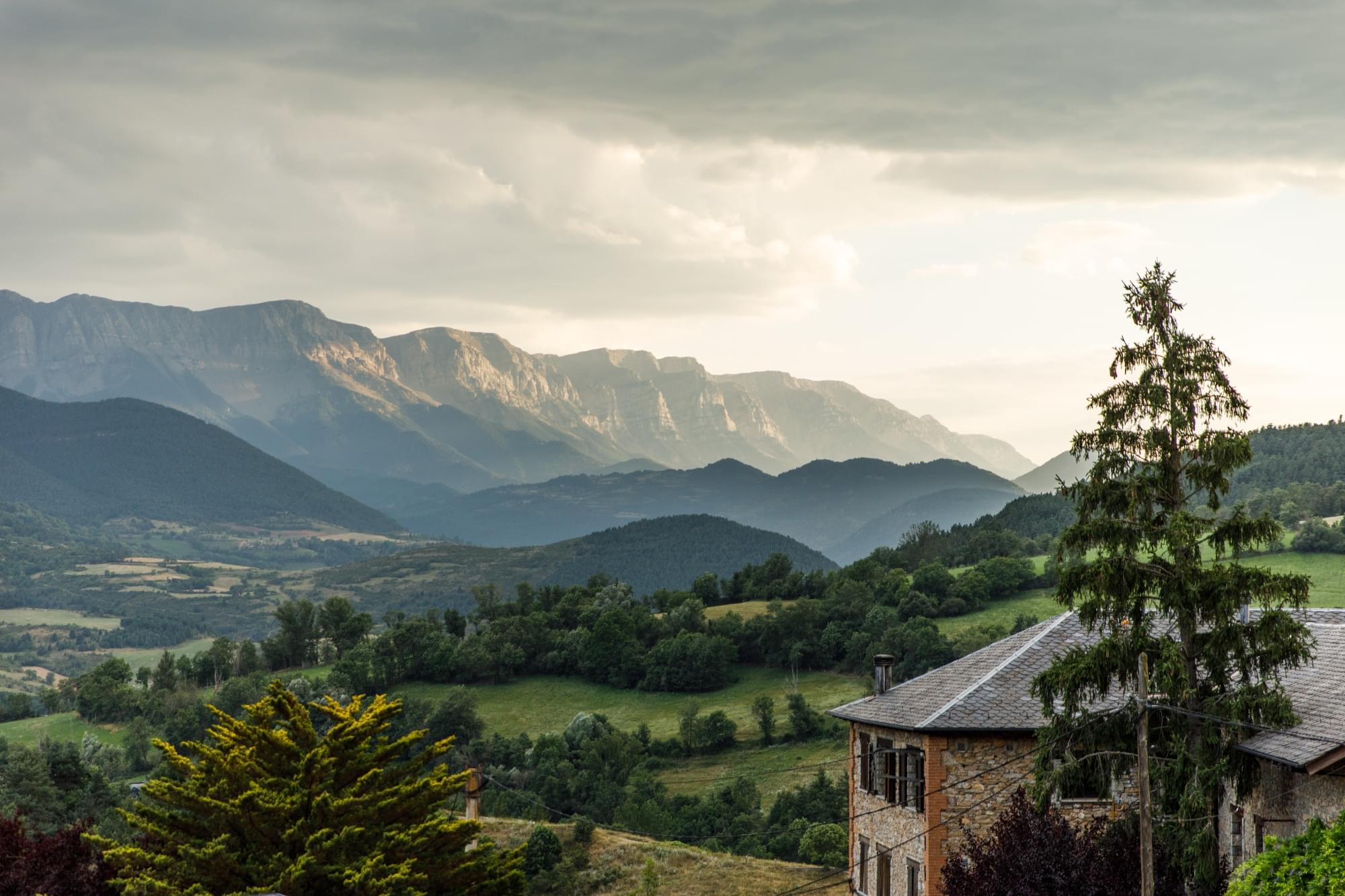
A destination is someone’s home. Its landscape provides habitats, food and water. Its culture lives through relationships, daily practices and shared memory. Tourism participates in this living system, and every decision affects more than the visitor experience.
Regenerative governance therefore asks us to look beyond organisational boundaries. How does a hotel’s purchasing policy affect local farmers? How does visitor demand influence housing and water use? Who benefits from tourism revenue, and who carries its costs?
Those questions belong in the room where decisions are made.
From understanding regeneration to practising it
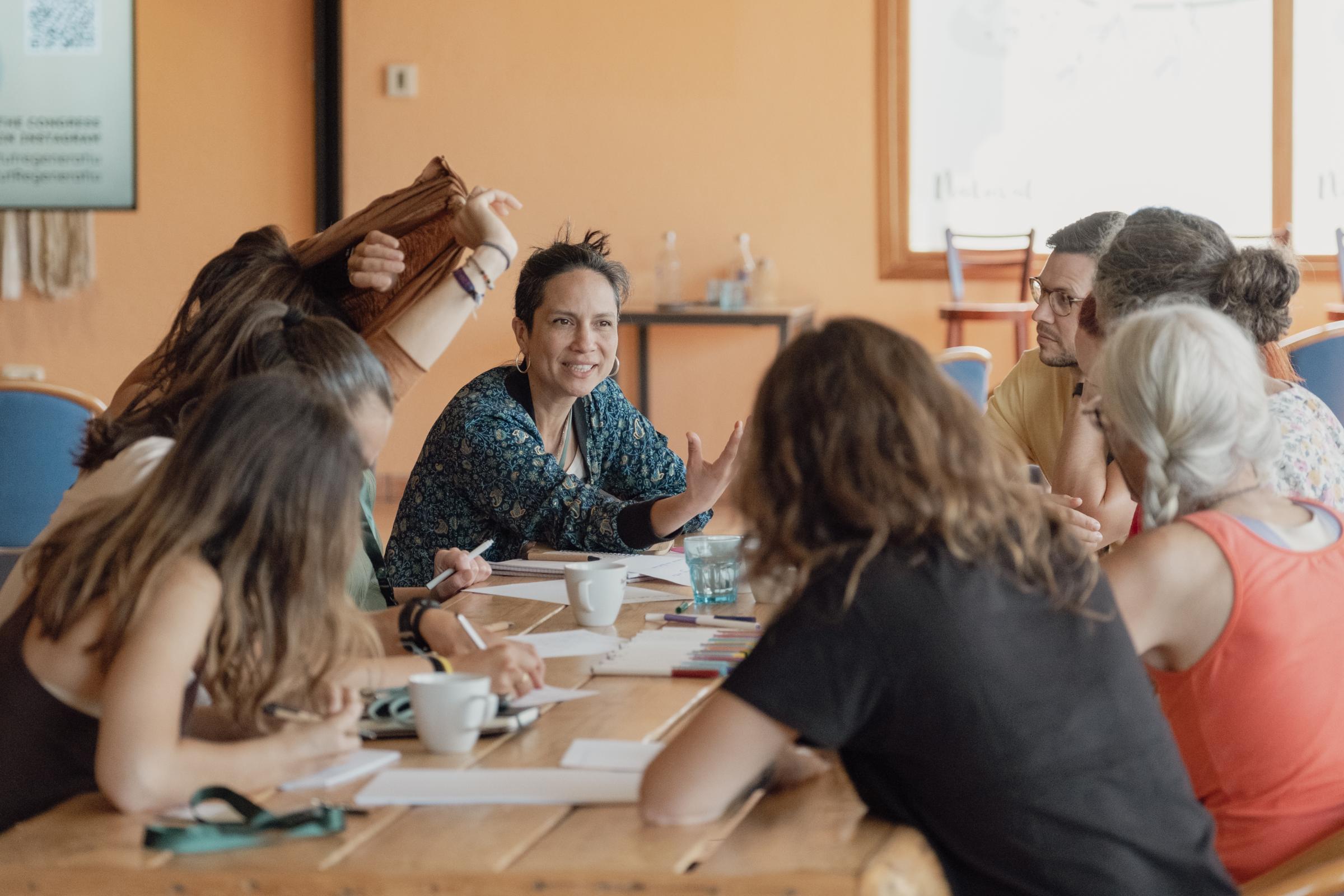
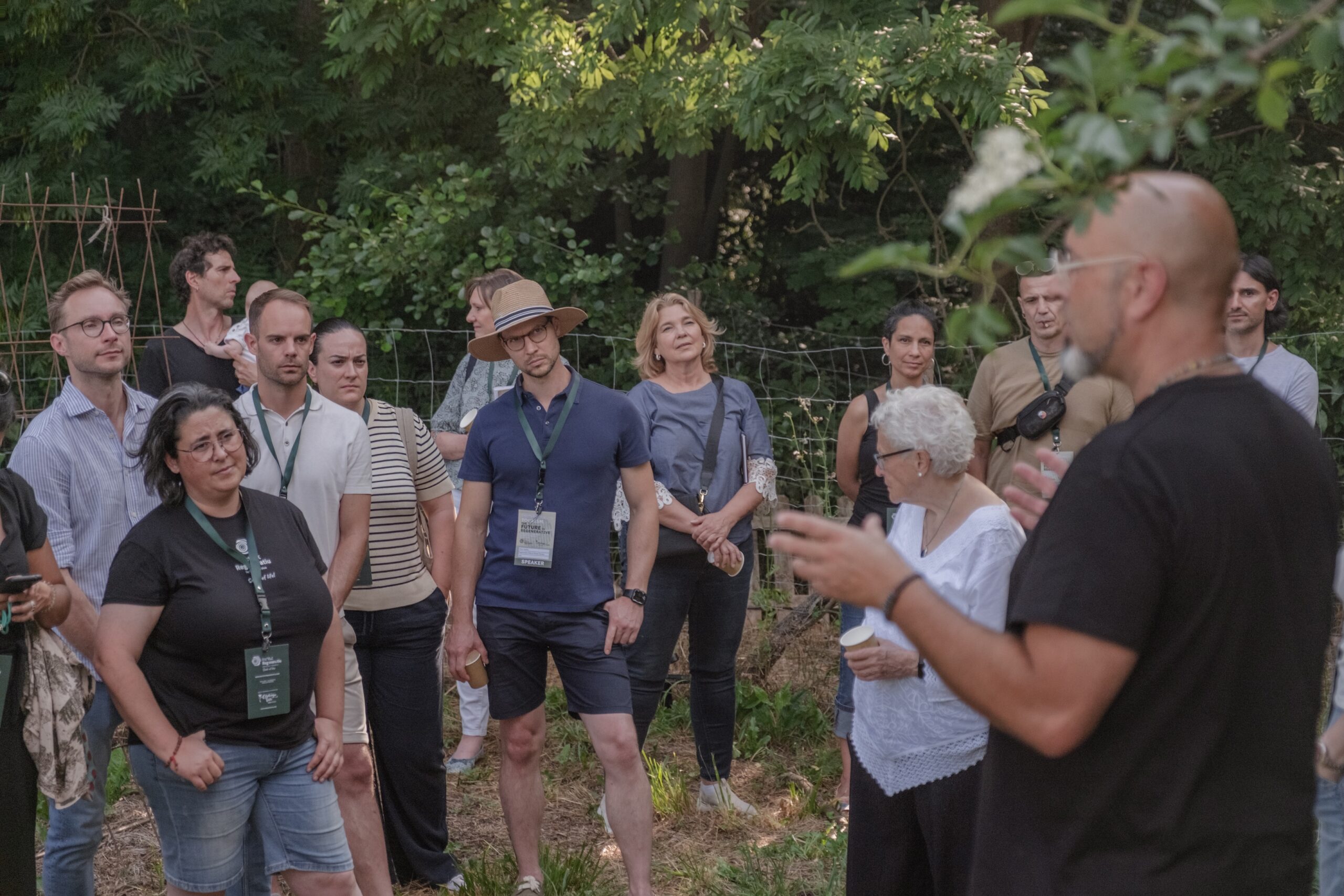
The programme of the second Regenerative Circle Summit, dated 11–12 May 2026 at Cerdanya Viva in Prullans, placed governance at its centre. It connected dialogue about real territorial challenges with collaborative proposals and shared responsibility.
In her reflection ahead of the gathering, Anna described a progression from exploring why regeneration matters to examining how it becomes possible: bringing diverse groups together, connecting interdependent sectors and creating conditions for listening, collaboration and experimentation.
That progression offers a useful direction for our work. A shared vocabulary is a beginning. The next challenge is to create arrangements through which people can act together, learn from experience and remain accountable to the territory.
Regeneration needs decisions, resources and relationships capable of carrying it forward.
Participation needs influence
Inviting residents to a meeting is only the first step. Their participation becomes meaningful when it can change priorities, investments and decisions.
The same applies to employees, local producers, young people and community organisations. They hold knowledge that a tourism dashboard cannot capture: where daily life is becoming difficult, which relationships are fragile and what opportunities remain overlooked.
For us, regenerative governance means making that knowledge consequential. It requires clear responsibilities, transparent choices and an honest way to address disagreement. Shared purpose must leave room for different needs and unequal levels of power.
It also requires continuity. Collaboration needs time, resources and people responsible for carrying commitments forward after the meeting ends.
A practical starting point could be a shared purchasing initiative, a response to seasonal pressure or a project connecting hospitality with local food production. What matters is that those involved can shape the work, assess its effects and adjust their decisions together.
Wellbeing belongs in the way we decide
Governance is shaped by the people practising it. When decision-making is dominated by urgency, exhaustion and defensiveness, listening becomes difficult.
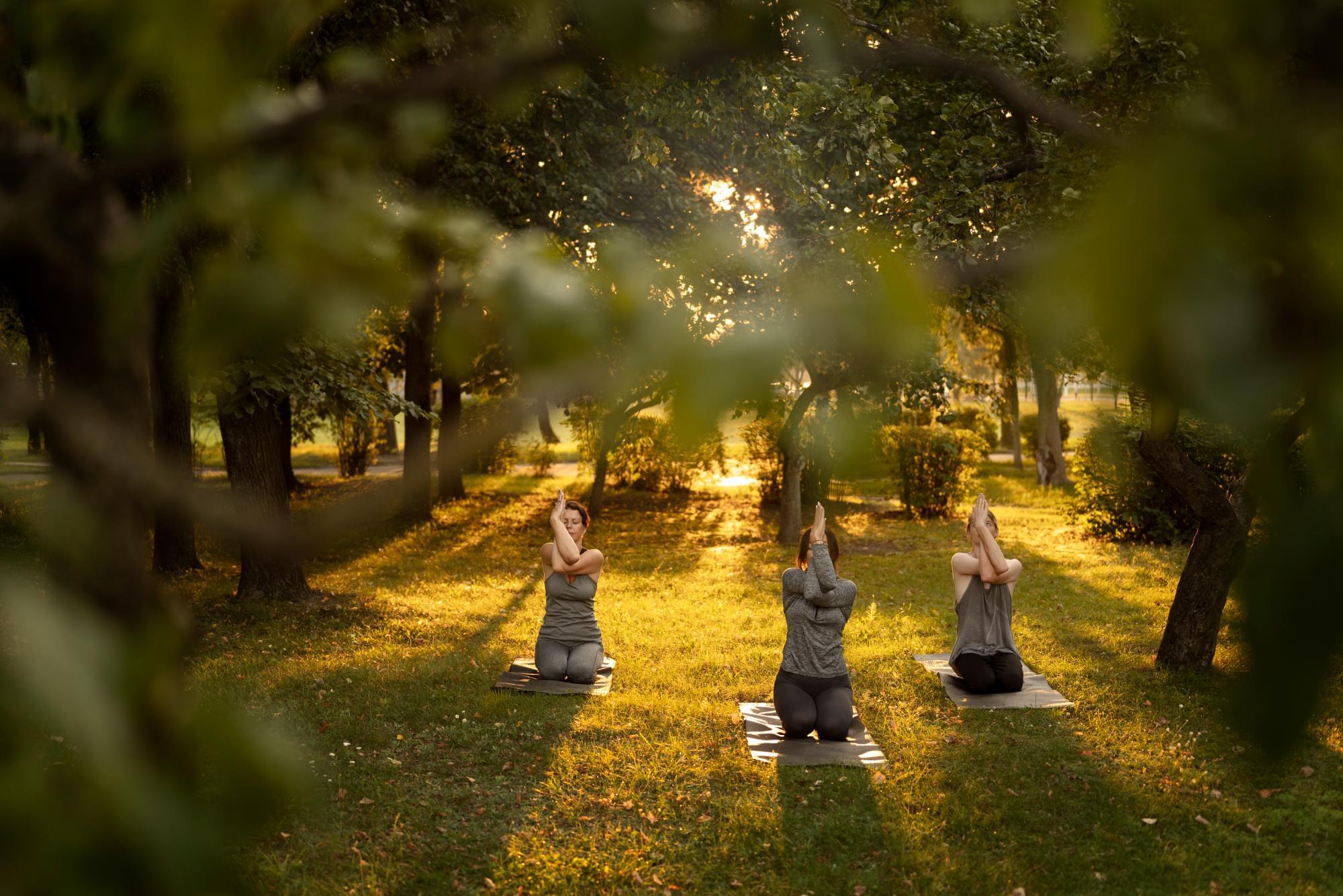
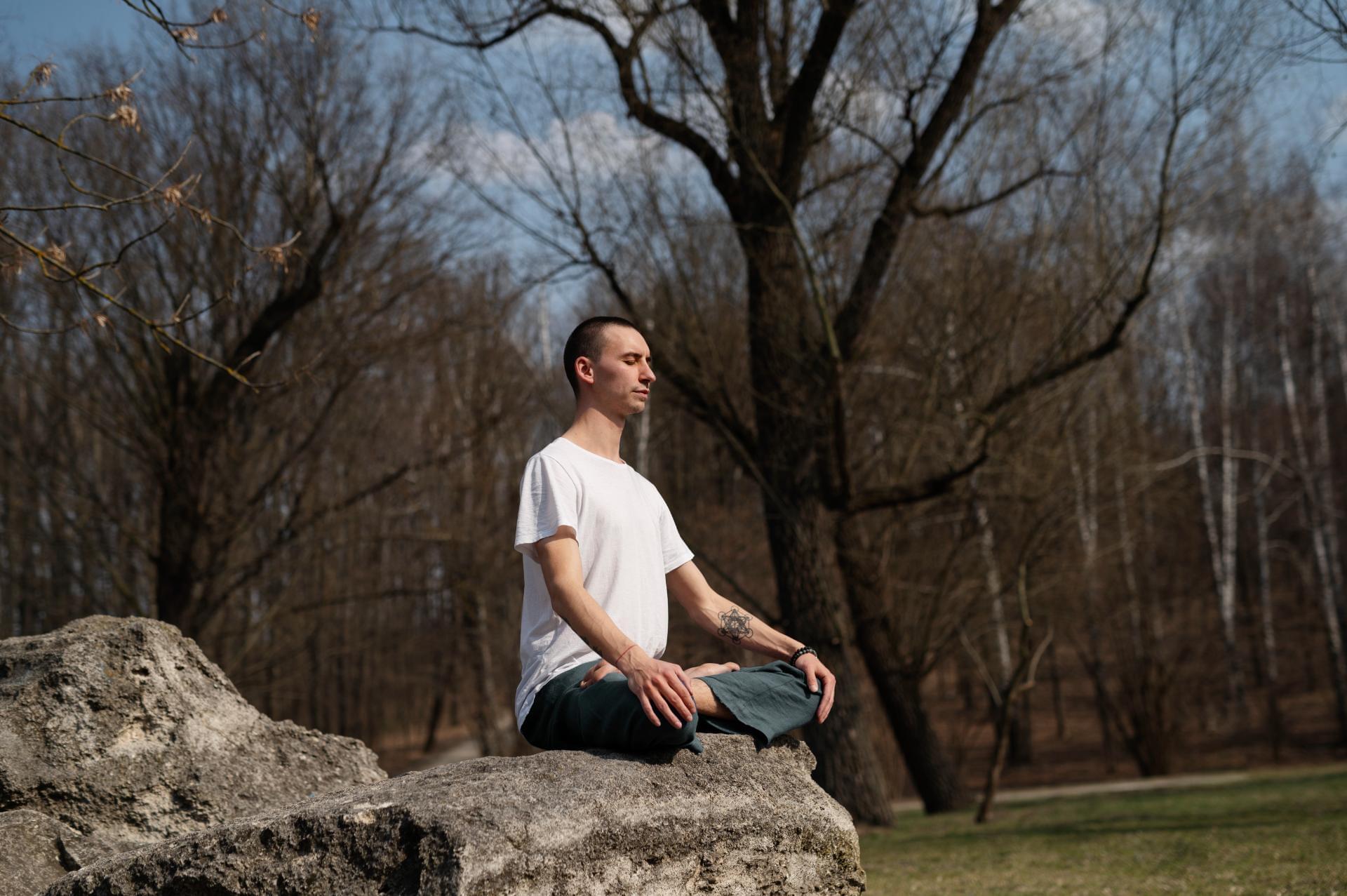
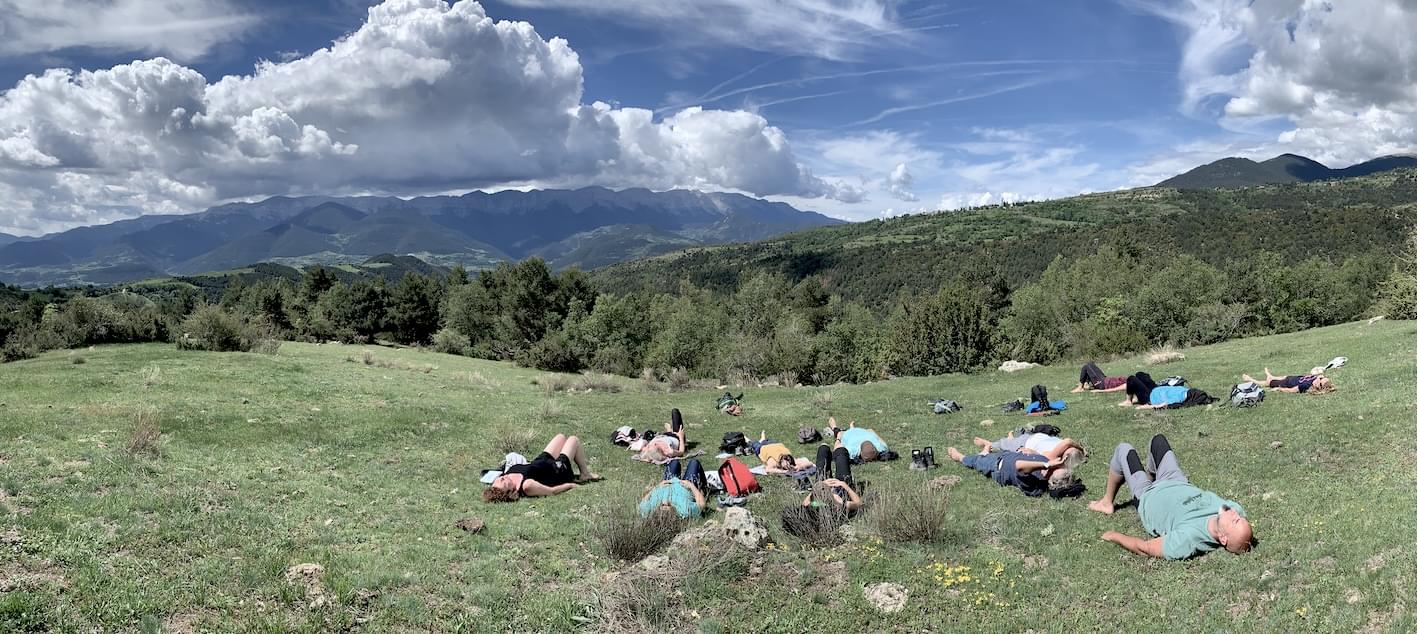
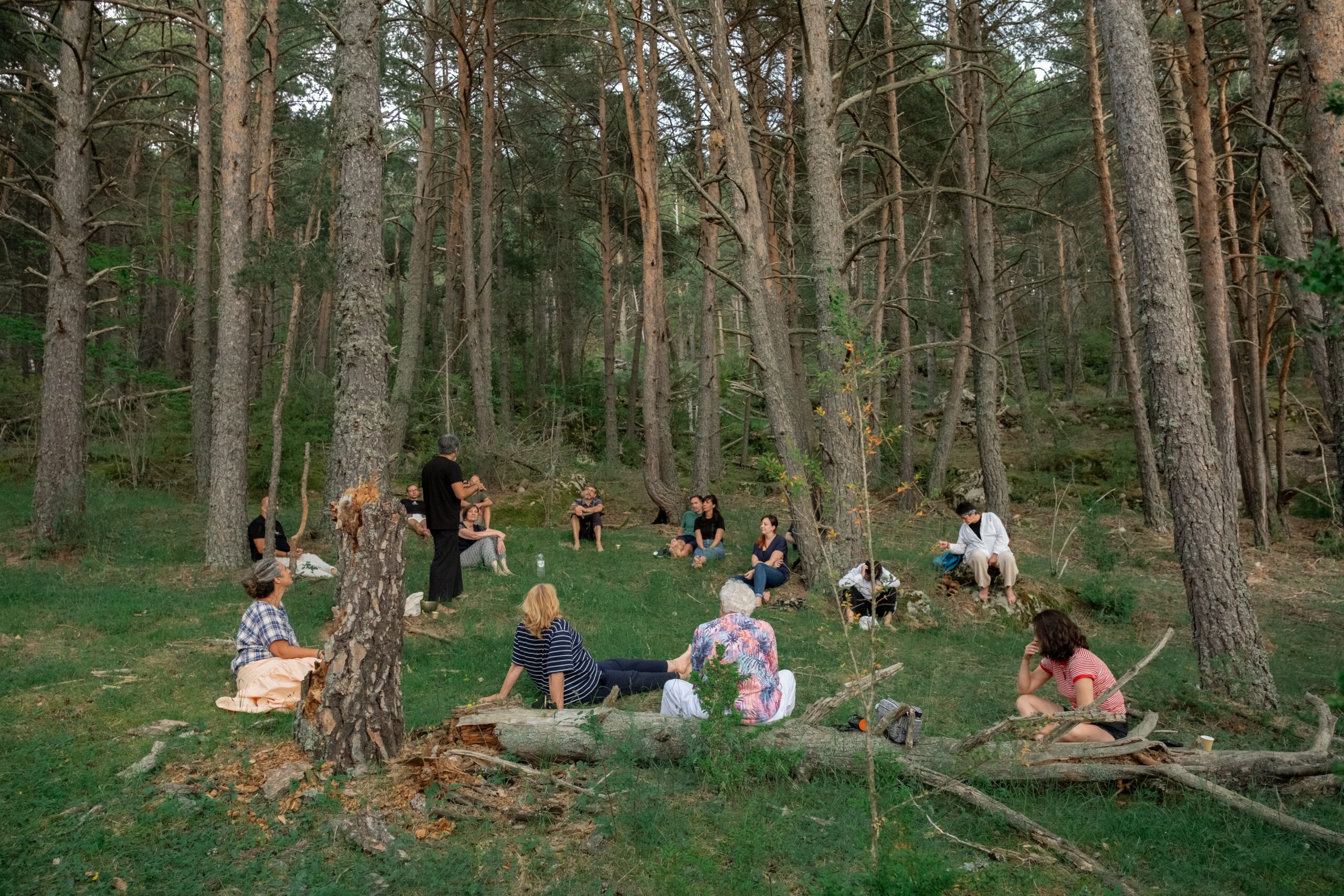
At the Institut Regeneratiu, we bring attention, silence, nature and restorative pauses into spaces of collective learning. We see these practices as ways to support the presence that difficult conversations require. They work alongside the practical structures of governance: authority, budgets, responsibilities and accountability.
The connection matters. Personal wellbeing and territorial wellbeing meet in everyday choices about work, land, resources and relationships.
How we listen influences what we notice. What we notice influences what we value. And what we value shapes what we decide to protect, support and develop.
A conversation to carry into practice
Our invitation is to use this episode as a starting point for reflection within your own organisation or territory.
Whose voice is missing from your decisions? What would change if community wellbeing became a measure of success? Which collaboration could you begin now, with a clear next step and someone responsible for it?
Listen to Anna Pollock on Reevolució Regenerativa, the Institut Regeneratiu podcast, and bring these questions into your next conversation about the future of tourism.
Regeneration becomes tangible when our ways of governing help a place sustain life, strengthen relationships and shape its own future.